Paralysis (Paksha-ghat)
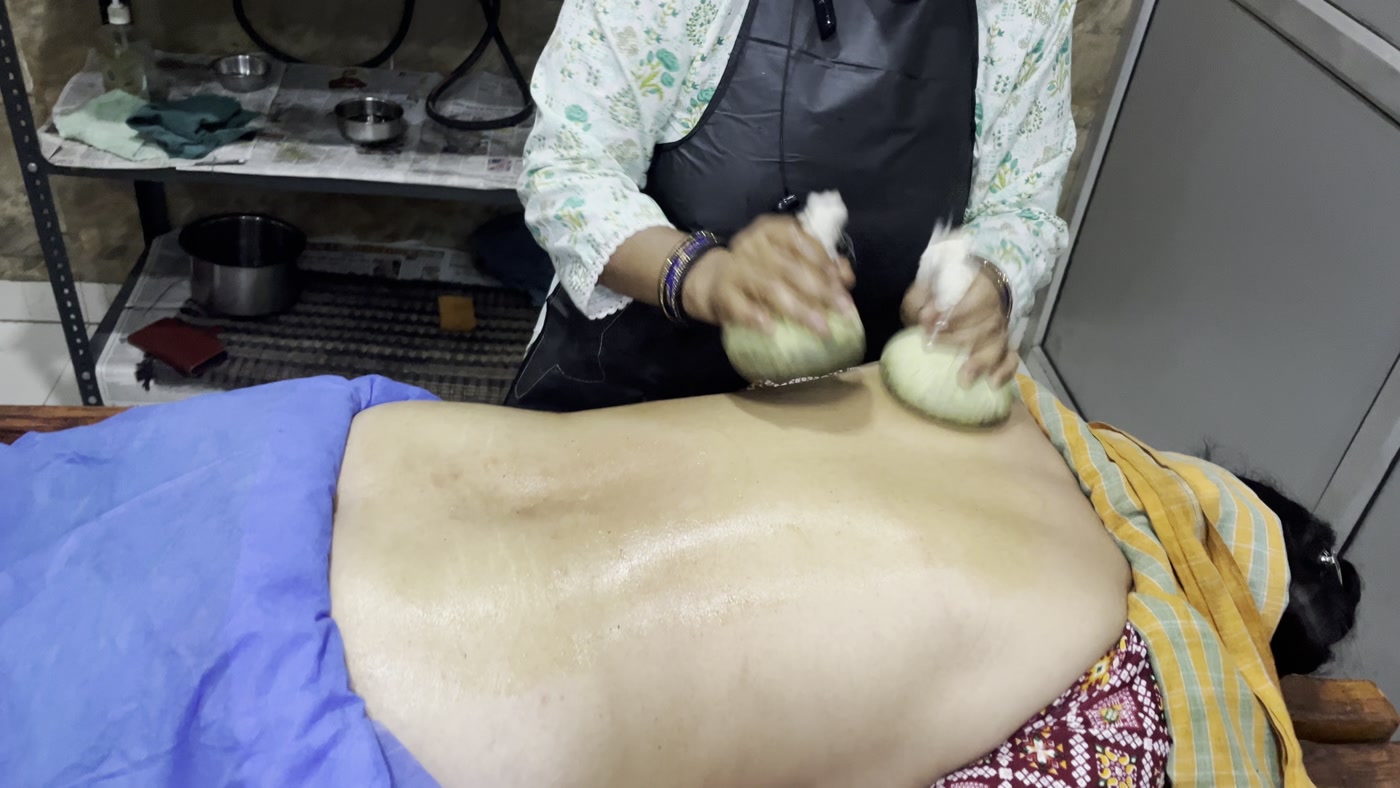
Supportive Ayurvedic care after paralysis or paksha-ghat — always alongside neurology and physiotherapy. Goals are comfort, routine and function, not miracle recovery claims.
Common symptoms
- Weakness or loss of movement on one side
- Stiffness or spasm in affected limbs
- Speech, swallow or balance difficulties already under medical care
- Need for supportive therapies during rehabilitation
Treatment approach
A typical sequence — adjusted after examination. This is educational framing, not a prescription.
Confirm acute stroke care and neurology follow-up are in place
Supportive therapies such as Abhyanga selected for your stage
Coordination with physiotherapy goals
Family guidance on realistic timelines
Typical duration
Long-term supportive programmes; set only after neurological review
- Physician examination before any course begins
- Therapies such as Shirodhara, Potli Swedana or Panchakarma only when indicated
- Clear advice when specialist allopathic care should lead
Book a consultation
Bring reports you already have. We will tell you whether this pathway fits — and what it will cost — before a course begins.
Begin your care
Speak to a physician who will actually listen
Consultations run 40 minutes. You will leave with a written treatment plan, an expected timeline, and a clear idea of the cost.